Water-Cooled Oat Flaking Mill for Higher-Control Consistency
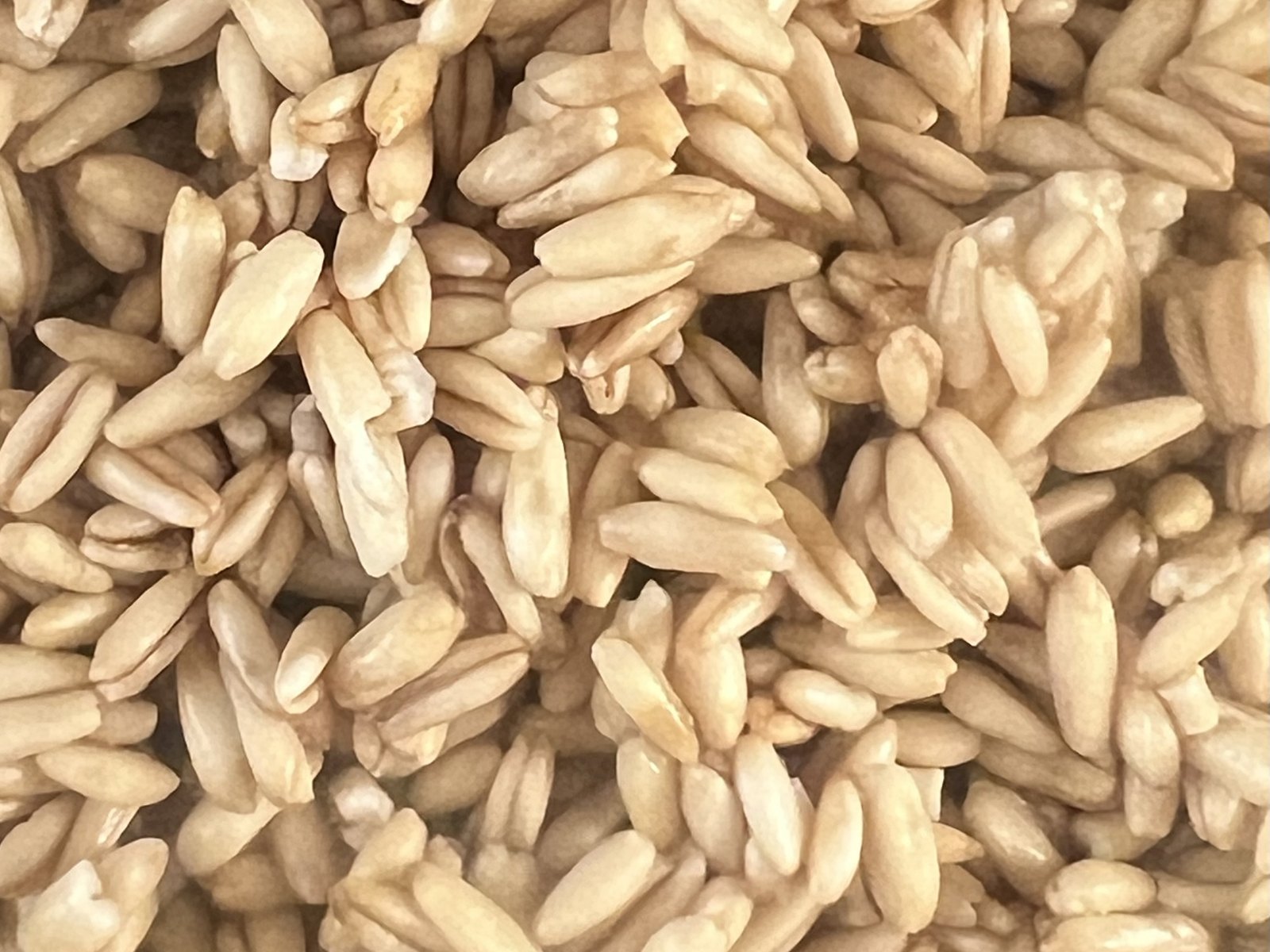
This water-cooled flaking route is primarily reviewed for oats and oat groats when tighter control over product temperature, flake consistency, and operating stability is required. It can also be evaluated for selected heat-sensitive applications, including certain spice projects, based on your target product, hourly output, and process setup.
Core screening inputs are hourly output, whether water cooling is required, and whether your project is a new line or a retrofit.
This water-cooled flaking route is primarily reviewed for oats and oat groats when tighter control over product temperature, flake consistency, and operating stability is required. It can also be evaluated for selected heat-sensitive applications, including certain spice projects, based on your target product, hourly output, and process setup.
Decision factors: product temperature requirement, hourly output, and process setup (new line or retrofit).
Route Decision
Standard Route or Water-Cooled Route?
Not every oat project needs water cooling. The standard oat flaking route fits regular food-grade needs, while the water-cooled route is worth reviewing when product temperature, consistency, or operating control matter more.
Standard Oat Route (FO Reference)
Standard food-grade oat flaking
Best fit
Standard food-grade oat flaking with stable requirements.
When to consider
Use the standard route when regular output targets and standard flake quality are enough.
Temperature sensitivity
Suitable when product temperature is not the main constraint.
Operating control
Good for standard operating windows without tighter thermal control needs.
Project discussion focus
Material, hourly output, target flake profile, and line fit.
Water-Cooled Oat Route (FG Reference)
Water-cooled setup for temperature-sensitive flaking
Best fit
Projects where product temperature, flake consistency, and operating stability need tighter control.
When to consider
Review the water-cooled route for heat-sensitive materials, tighter process windows, or higher quality targets.
Temperature sensitivity
Review water cooling when temperature rise starts to affect flake result or operating stability.
Operating control
Use the water-cooled setup when tighter thermal control and repeatable flake quality become process targets.
Project discussion focus
Hourly output, water-cooling need, material sensitivity, and new line or retrofit status.
Decision note:Water cooling is not the default route. Choose it only when temperature, consistency, or control requirements clearly justify it.
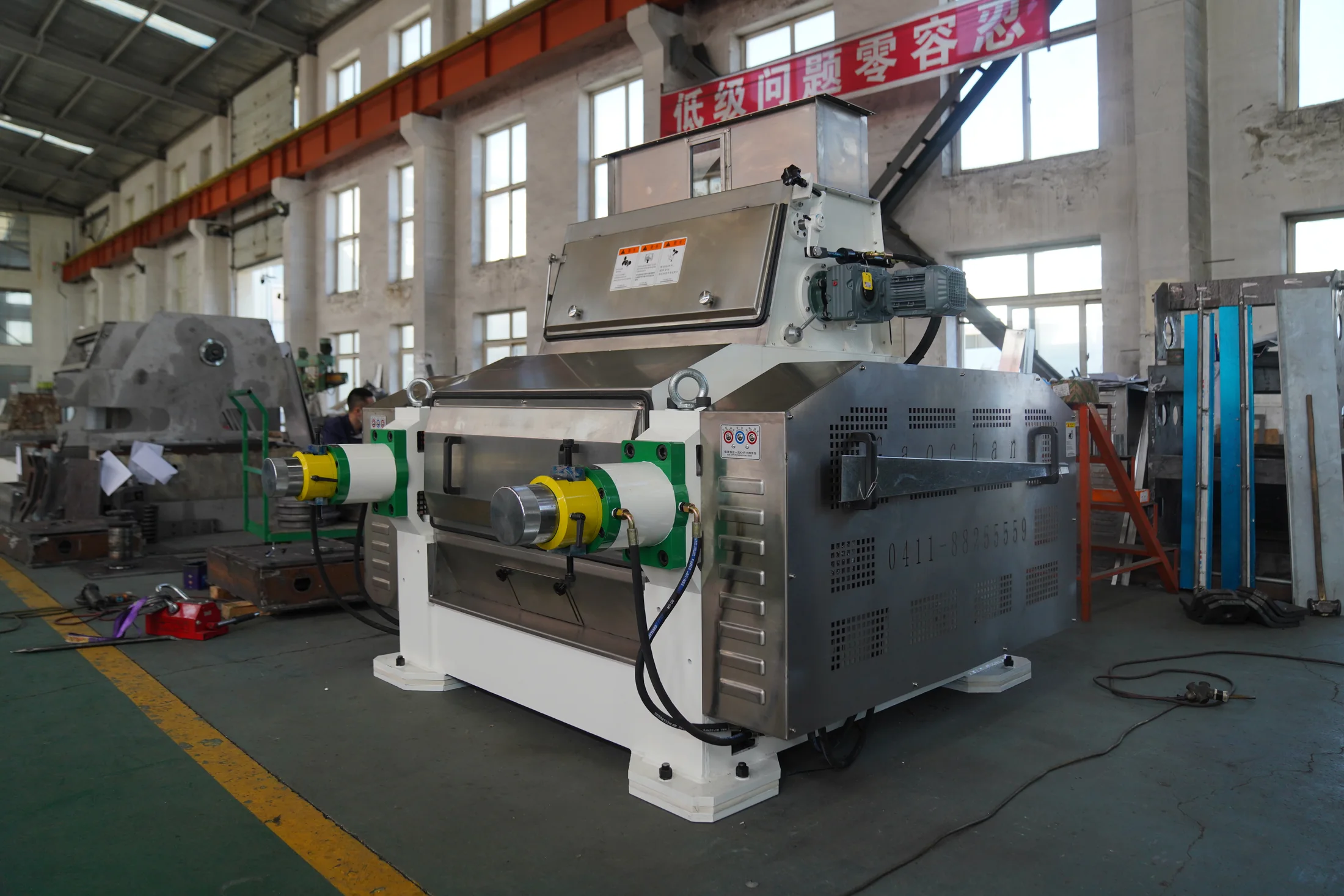
Reference water-cooled model codes include FG6080FWC, FG6100FWC, and FG8100FWC. Once the water-cooled route is confirmed, use the table below to screen output, thickness, and model fit.
How the Water-Cooled Route Fits into Process Planning
Use this view to place the water-cooled route in the oat line: confirm preparation first, check whether water cooling is required, then plan water-cooled flaking and downstream handling.
Raw oats
Process step
Process step
Process step
Process step
Process step
Process step
Process step
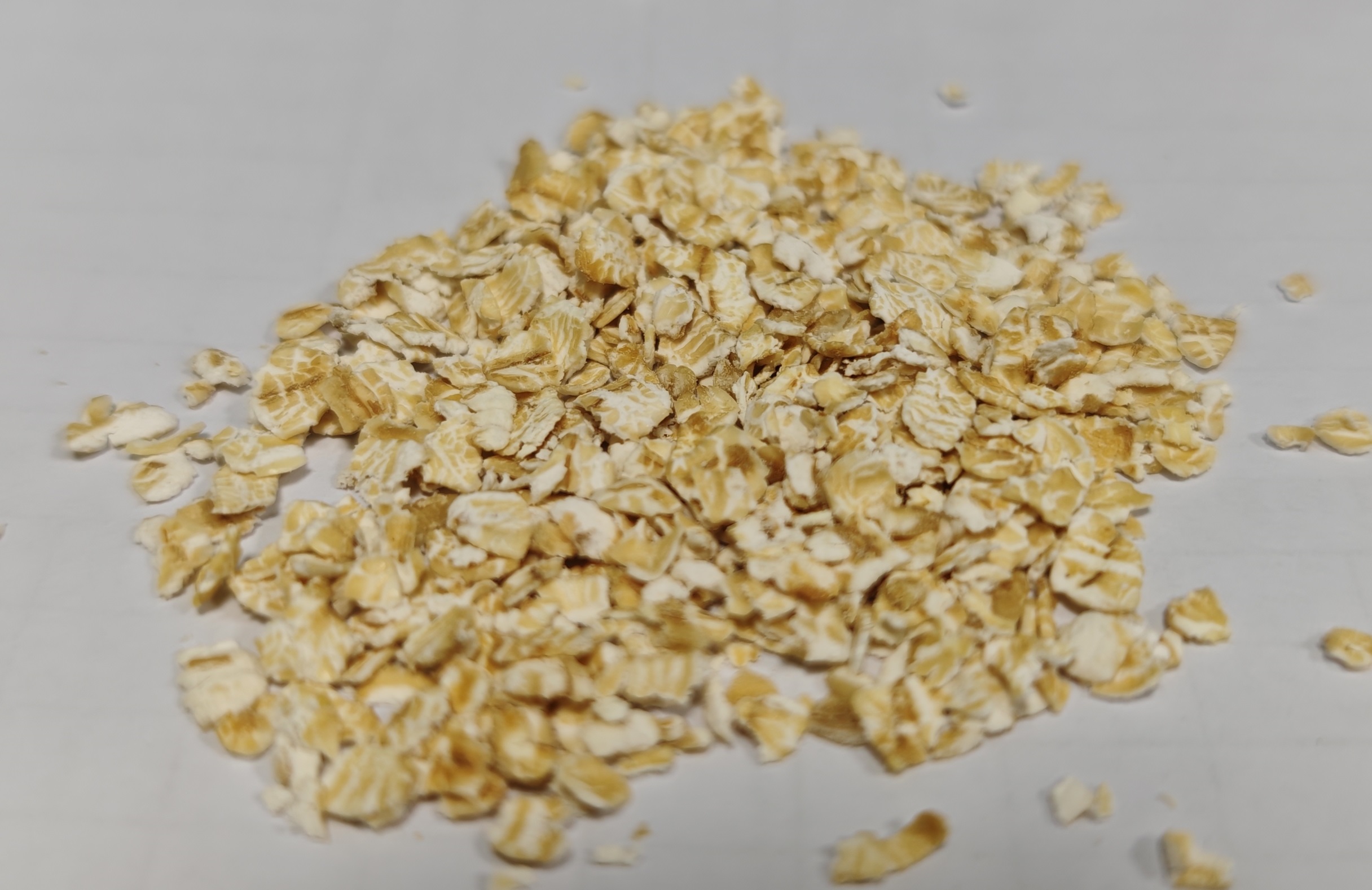
Oat flakes
Process step
Cooling & Hydraulic Review
Cooling Structure and Hydraulic Detail Review
See how roller cooling, hydraulic adjustment, and support access work together when tighter temperature and process control matter more.
Roller cooling path
Hydraulic roll control
Support structure and service access
COOLING EVIDENCE
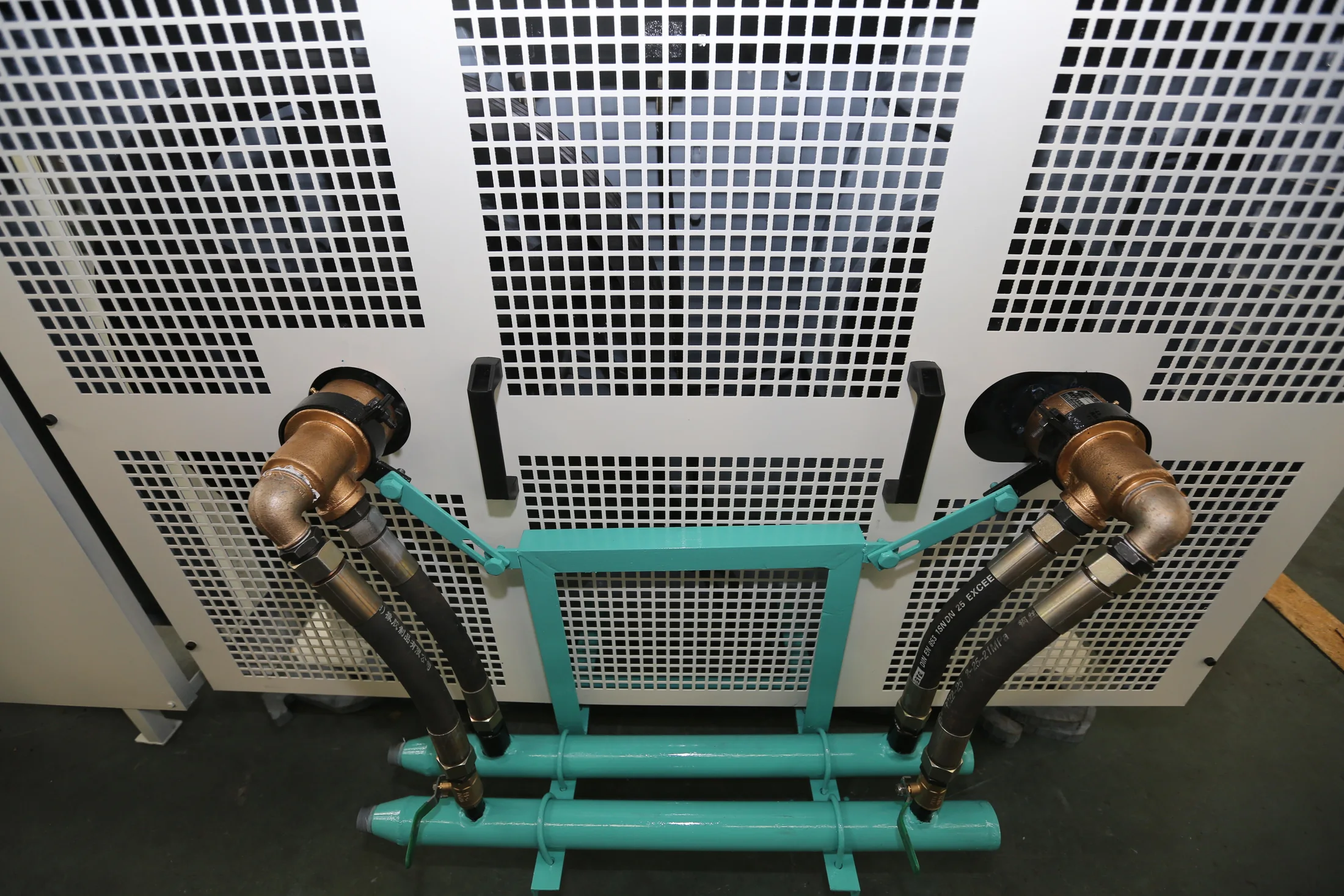
Cooling path that supports temperature control
Cooling water runs through the roller-side circuit and can be planned for tap water or circulating water, depending on the site.
Shows inlet and outlet routing around the roller area.
Helps control heat rise during flaking.
Reduces heat-related color, odor, and roller-maintenance pressure.
ADJUSTMENT EVIDENCE
Hydraulic adjustment that keeps flaking controllable
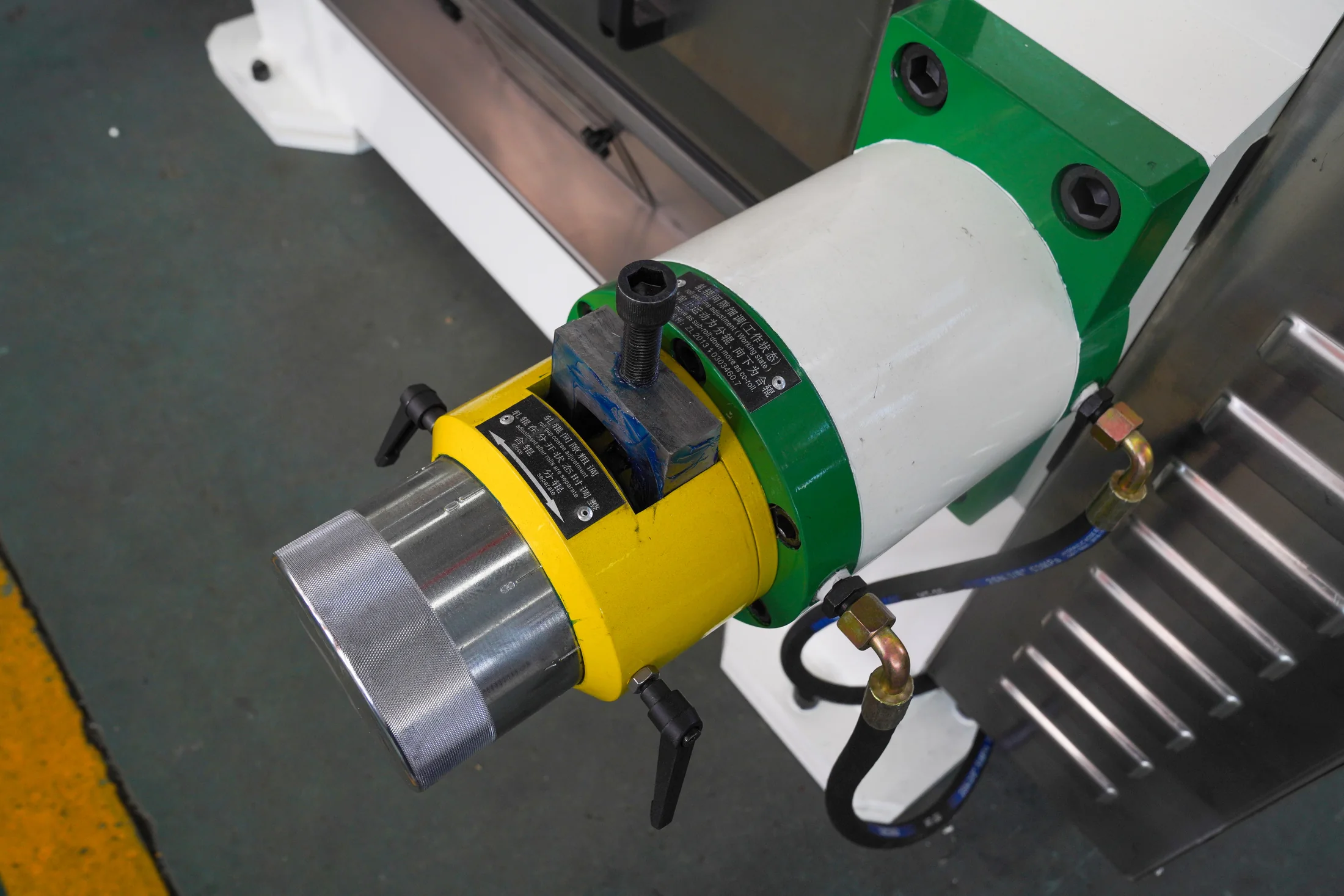
The hydraulic package and adjustment area help set the roll gap, hold pressure response, and make fine changes during production.
Coarse setting defines the working range.
Online micro-adjustment supports correction without stopping.
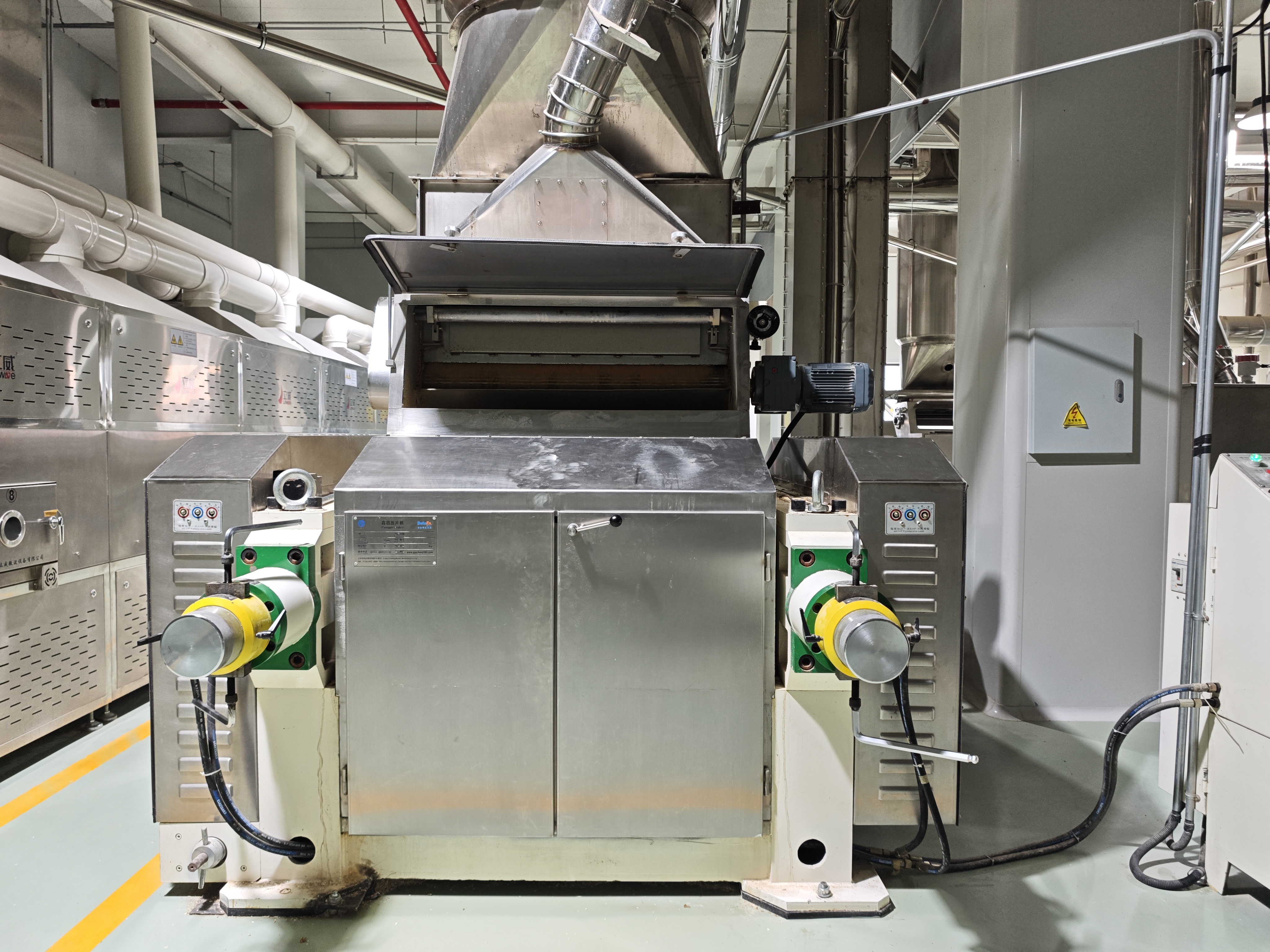
The square bearing layout lets the hydraulic cylinder move the bearing seat while support plates and buffering help the roll set stay steadier under load.
Shows the square-bearing support side in installed condition.
Supports higher-control running with less manual repositioning.
Helps protect long-run stability when output targets are tighter.
SERVICE EVIDENCE
Access layout that supports faster service
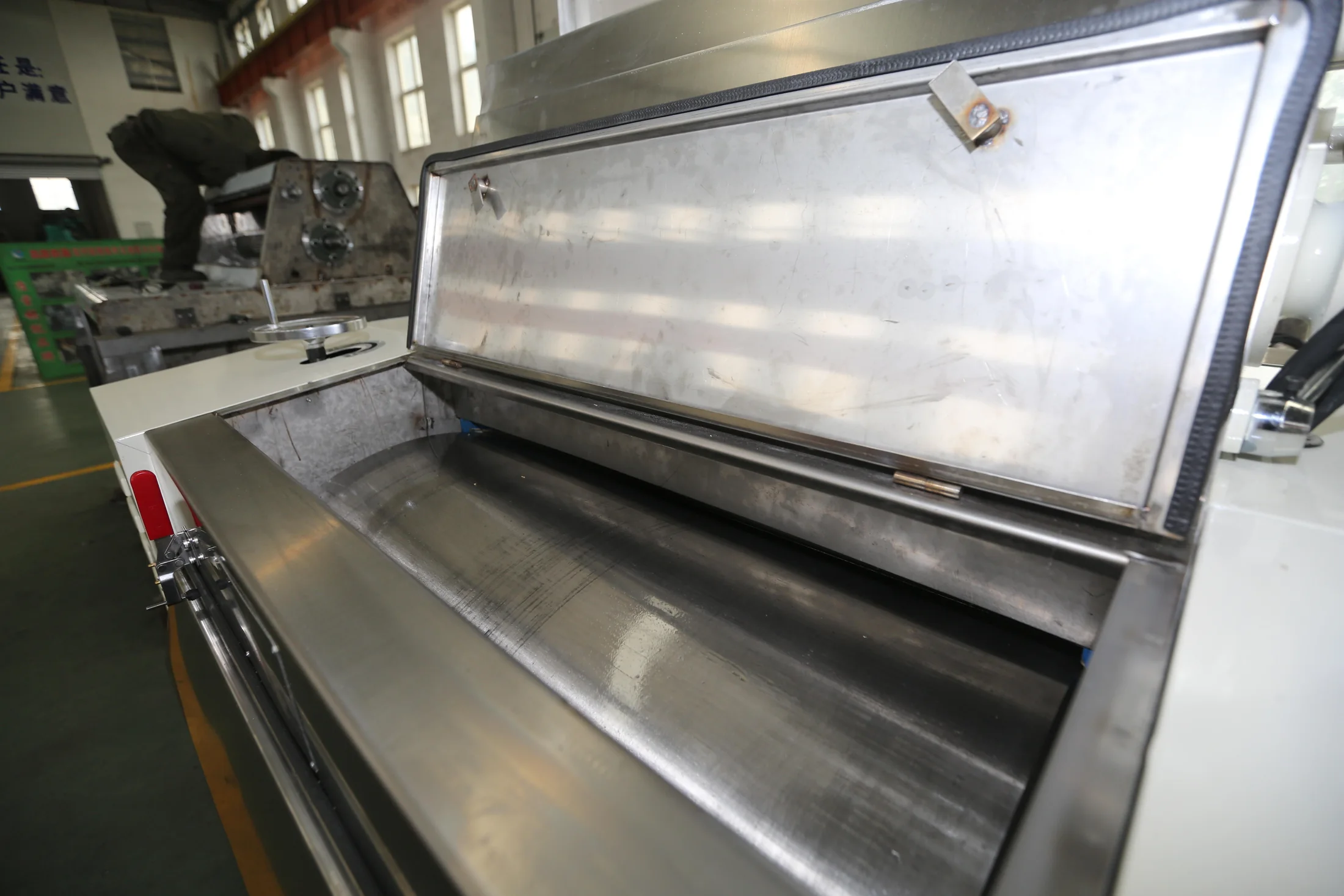
Service access around the roller area, cooling connections, and hydraulic side should be checked early because maintenance speed affects uptime planning.
Shows the open cover and roller service area.
Helps review service space before layout confirmation.
Reduces avoidable stoppage when maintenance is planned early.
Why Buyers Evaluate Water-Cooled Projects with Bellaex
Why Bellaex for Water-Cooled Flaking Projects
When you evaluate a water-cooled oat flaking route, you usually need more than one model number. You need route judgment, structure review, and a supplier that can support the project beyond the machine itself.
Manufacturing background behind the route
Manufacturing history since 1997, with a family manufacturing base and long-term processing equipment background.
Clear standard vs water-cooled route communication
Help buyers judge whether the standard route is enough or whether the water-cooled route deserves review before final quotation.
Cooling and hydraulic review before final quotation
Discuss hydraulic package, cooling concern, and operating rhythm so route fit is clear before final quotation.
From machine review to wider oat planning
Support can extend from machine review to process integration when machine fit must connect with line fit.
Reference & Proof
Case Evidence / Video Proof
Use these proof entries to review company background, equipment evidence, factory view, and water-cooled reference files before moving into final discussion.
Review these route-level questions before you inquire, so standard vs water-cooled route review and model recommendation can move faster.
1
Is the water-cooled route the default for oat projects?
No. The standard route remains the baseline for standard oat flaking. The water-cooled route is worth reviewing when temperature behavior, tighter control, or higher consistency targets start to matter.
2
What are the three core inputs for route screening?
Hourly output, whether water cooling is required, and whether your project is a new line or a retrofit.
3
Can this route be reviewed for spices or other heat-sensitive inputs?
Yes, for selected projects. Oats and oat groats remain the primary fit on this page, while spices and other heat-sensitive materials are reviewed case by case.
4
Can I still use the standard route after review?
Yes. If water cooling is not justified after review, the standard route remains the recommended baseline.
Download Project Materials
Use these files to review the water-cooled route faster. Ask for additional checklists through the inquiry form when you need project-specific support.
Share your raw material, product temperature concern, hourly output, and whether this is a new line or retrofit. Bellaex will review route fit first, then reply with a suitable standard or water-cooled direction and model review scope.